Mile End Park removals tips for families moving locally
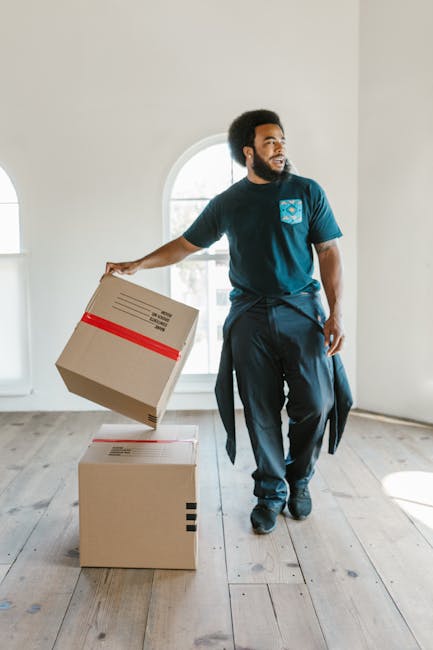
Moving house with children is never just about boxes, keys, and a van. It is school runs, favourite toys, nap times, snack breaks, and trying to keep everyone calm while the kettle disappears into a random carton. If you are looking for Mile End Park removals tips for families moving locally, the good news is that a nearby move can be far less stressful than a long-distance one-if you plan it properly.
The trick is not simply to move faster. It is to move smarter. A local family move around Mile End Park often means tight streets, busy parking, shared entrances, flats with stairs, and a lot of day-to-day life happening at the same time. In this guide, you will find practical, realistic advice to help you stay organised, protect your belongings, and keep the family rhythm intact. A few small decisions make a big difference. Truth be told, that is where most smooth moves begin.
Why Mile End Park removals tips for families moving locally Matters
A local move around Mile End Park can look deceptively simple. Same borough, short journey, one day out, one day in. But families know better. Short distances still come with pressure: school drop-offs, children who become extremely attached to cardboard boxes for no obvious reason, and the usual awkwardness of moving furniture through a hallway that seems to have shrunk overnight.
That is why these Mile End Park removals tips for families moving locally matter. They help you reduce friction in the parts of the move that usually cause the most stress. A local family move benefits from good timing, clear labelling, realistic packing, and a removals plan that fits around normal life. You do not need to overcomplicate it. You do need to be ready for the small stuff that can derail the day.
There is also a practical side. Local moves often mean less travel time, but they can still involve loading restrictions, parking challenges, and multiple trips if you are underprepared. If your move includes flats or maisonettes near Mile End Park, it may make sense to think in terms of access as much as distance. That includes whether a man and van service is enough, or whether a larger team, such as house removals, is more appropriate.
Expert summary: for family moves near Mile End Park, the biggest wins usually come from planning the first and last two hours of moving day, not the middle. That is when delays, fatigue, and confusion tend to build up.
How Mile End Park removals tips for families moving locally Works
At a practical level, a local removal works by splitting the move into stages: planning, packing, loading, transport, unloading, and settling in. That sounds obvious, but families often treat it as one big event. Better to think of it as a sequence of small jobs that can each be made easier.
In a typical family move, the removals team arrives with the right vehicle, the right handling equipment, and a clear load order. The essentials go in last and come out first. Children's beds, school uniforms, toiletries, charging cables, and a kettle should be easy to reach. It sounds boring, but boring is good on moving day.
If you are moving from a flat, stair access and carrying distance can matter more than the total mileage. That is where flat removals can be especially useful. If you have a fuller family home, you may want the broader support of home moves or a more structured service from removal services. The right option depends on volume, access, and how much you want handled for you.
Most families also benefit from a packing plan that keeps rooms separate. That means one box system for bedrooms, another for kitchen items, and a clearly marked essentials bag for each adult. Children do better when they can see a small portion of their own things right away. One favourite toy, one blanket, one snack stash. Simple. Effective.
Key Benefits and Practical Advantages
There are real advantages to handling a local move with care instead of treating it like a rushed weekend chore. For one thing, you are more likely to keep control over your time. For another, you can reduce the chance of breakage, forgotten items, and post-move chaos. And let's face it, nobody wants to spend the first evening in a new home hunting for toothbrushes.
- Less disruption for children: school routines, nap times, and meal times can be preserved more easily with a local move.
- Faster settling in: short travel times mean you can unpack essentials and make rooms usable sooner.
- Lower strain on the day: if the route is local, the logistics are simpler, but only if access and parking are planned well.
- Better control over budget: a smaller move may be suitable for a compact team or vehicle, depending on the property and volume.
- More flexible timing: local moves can sometimes be arranged with more precision, including afternoon handovers or staged loading.
There is also an emotional advantage that people sometimes forget. Familiar surroundings help children cope. If you are staying within the same area, they may keep the same nursery, park, or weekend routine. That continuity is worth something. Honestly, it makes the whole process feel less dramatic than it is.
For households with larger furniture items, or if you are pairing the move with decluttering, it may help to arrange furniture removals or even separate furniture pick up for items you do not want to take. Small decision, big relief.
Who This Is For and When It Makes Sense
This guidance is for families moving locally around Mile End Park, whether you are moving from a nearby flat, a terraced house, or a larger family property. It is especially useful if you are juggling young children, pets, work schedules, or school term dates.
It also makes sense if you are:
- moving within walking or short driving distance of Mile End Park;
- trying to coordinate school, nursery, or childcare around the move;
- moving from a flat with stair access or limited lift space;
- decluttering before a sale or tenancy end;
- moving with bulky items, such as wardrobes, cots, or piano-style furniture;
- trying to avoid the stress of multiple small trips in your own car.
Families sometimes assume local means easy, but a short distance can be the most demanding kind of move because it compresses all the pressure into a single day. If you only have a small load, a removal van may be enough. If the move is more involved, a removal truck hire option may be more efficient. You do not want to discover that halfway through the day. That would be... less than ideal.
Step-by-Step Guidance
1. Start with a clear family inventory
List the big items first, then the everyday items. Beds, wardrobes, white goods, pushchairs, bicycles, toy storage, office desks, and anything fragile should be noted early. This helps you decide what must be dismantled, packed separately, or moved by professionals.
2. Sort rooms before packing boxes
One room at a time is the safest approach. Avoid packing by category across the whole house unless you enjoy living in a maze of mixed cables and random lids. Label each box with the room and a simple priority note: first-day, week-one, or storage. If you want help with materials, packing and boxes support can take a lot of pressure off the process.
3. Create a moving-day essentials bag
This is the bag you keep with you, not on the van. Put in medication, snacks, water, chargers, wipes, a change of clothes for children, nappies if needed, pet items, keys, and a few familiar comfort items. It is the kind of bag you hope never becomes important. But it usually does.
4. Protect the move with a simple timetable
Plan backwards from key milestones: school pick-up, key handover, van arrival, lunch, and bedtime. If a child naps at 1pm, do not book yourself into an all-day packing frenzy with zero flexibility. That rarely ends well. Leave room for slowdowns. There is always one box that refuses to behave.
5. Decide what needs professional handling
Some items are straightforward. Others are not. Heavy wardrobes, awkward sofas, and delicate items may justify specialist help. If you need more structured support than just lifting and transport, look at packing and unpacking services or a broader removals solution. Families often find that partial support is the sweet spot.
6. Prepare the new home before arrival
Where possible, check that beds can be assembled quickly, curtains are ready, and cleaning is done before the van arrives. A clean first room-usually the kitchen or main bedroom-makes a huge emotional difference. That first evening feels less like survival mode and more like a proper home.
Expert Tips for Better Results
These are the kinds of details that tend to separate a calm move from a frantic one.
- Keep children involved in small ways. Let them choose a toy box or label a box with drawings. It gives them a tiny bit of control.
- Pack by usage, not just by room. Daily items should be the easiest to reach, even if that means ignoring perfect box symmetry.
- Photograph cable setups before unplugging. This is especially useful for TVs, routers, game consoles, and desks.
- Use coloured labels if possible. One colour for bedrooms, one for kitchen, one for essentials. Dead simple.
- Reserve one family "quiet box." Books, colouring items, a tablet, a familiar blanket, maybe a tiny lamp. Helpful during the first evening.
- Check access at both properties. Narrow entrances, controlled parking, or awkward stairwells can affect loading time more than distance ever will.
To be fair, the most practical tip is also the least glamorous: do not overpack boxes. A heavy box becomes a slow box, then a dangerous box. Keep books in smaller cartons. Keep bedding light. Your back will thank you, and so will anyone carrying the thing down the stairs.
If you are trying to reduce waste while you sort through the house, you may also want to review recycling and sustainability options so unwanted items are handled responsibly. It is a sensible move, especially when family life already creates enough clutter on its own.
Common Mistakes to Avoid
Even organised families can get tripped up by the same handful of issues. Most of them are avoidable, which is the annoying part.
- Leaving packing until the night before. This creates rushed decisions and poor labelling.
- Forgetting the child routine. If everything is packed at once, younger children can feel unsettled very quickly.
- Ignoring parking and access. A local move can still be delayed by one blocked bay or one awkward corner.
- Putting essentials in the main load. If the kettle, medication, or charger is buried, the first evening becomes messy fast.
- Overestimating what fits in a family car. The boot is not a moving plan.
- Not checking terms, insurance, or payment details. A proper provider should make these clear before move day.
Families also sometimes understate how much emotional energy a move takes. A child might be fine all morning and then suddenly melt down when their room starts looking empty. That does not mean anything is wrong. It just means the day is doing what moving days do.
Tools, Resources and Recommendations
You do not need a mountain of specialist kit, but a few practical tools make everything easier.
- Strong boxes in a few different sizes for books, kitchenware, and soft items.
- Packing tape and dispensers so you are not fighting with loose rolls and torn edges.
- Permanent markers for labels and priority notes.
- Furniture covers or blankets for sofas, tables, and mattresses.
- Zip bags or small containers for screws, shelf pins, and fittings.
- Phone photos to record room layouts, wiring, and furniture assembly details.
- Calendar reminders for school notices, final utility checks, and handover times.
If your move is more than a simple van-load, it can be worth exploring support from house removalists or comparing options through removal companies. A quick conversation about access, volume, and timing usually reveals which approach is most sensible.
For families with a more temporary gap between homes, storage can be a practical bridge. It is not glamorous, but it can take the pressure off if your dates do not line up neatly. On the other hand, if you need rapid help, something like same day removals may be worth discussing where availability allows. No drama, just flexibility.
Law, Compliance, Standards, or Best Practice
For family removals in the UK, the most important point is not to memorise legal jargon. It is to choose a provider that works safely, handles your belongings responsibly, and communicates clearly. Good practice matters.
When comparing moving support, look for plain-English clarity on insurance, liability, payment, and what happens if access problems arise. A trustworthy removal business should make its policies easy to understand. That is where pages such as insurance and safety, health and safety policy, payment and security, and terms and conditions are genuinely useful to review before booking.
Families should also think about privacy and careful handling of personal belongings. Documents, children's records, medication, and devices should be packed securely and kept accessible. If you are moving in a way that involves shared buildings or tight access, respect neighbours and communal areas as much as possible. In London, that social etiquette matters just as much as the formal rules, if not more.
If you are choosing a service provider, it is reasonable to expect transparent business information too. Pages such as about us, contact us, and the company's stated complaints procedure can help you understand how they operate and what support you can expect if something needs resolving.
Options, Methods, or Comparison Table
Families often choose between doing everything themselves, hiring a small vehicle, or booking a fuller removal service. Here is a simple comparison to help you decide.
| Option | Best for | Pros | Watch-outs |
|---|---|---|---|
| Self-move with family car | Very small moves or a few bags | Low direct cost, flexible timing | Slow, tiring, not suitable for furniture or heavy boxes |
| man with van | Smaller local moves, flats, partial loads | Practical, efficient, good for short distances | Capacity may be limited for larger family homes |
| home moves or house removals | Full family household moves | Better for bulky furniture, structured loading, less lifting for you | Needs more planning, especially for access and timing |
| Storage plus staged move | Dates that do not align neatly | Flexible, reduces pressure if completion or handover is delayed | Extra organisation needed, and items must be clearly labelled |
The right option depends on your house size, the age of your children, and how much lifting you realistically want to do. There is no prize for making things harder than they need to be.
Case Study or Real-World Example
Here is a realistic example. A family of four moving a few streets from one Mile End Park side road to another had two school-age children, a cot, two beds, a sofa, and more toys than anyone remembered buying. The parents initially thought they could handle most of it themselves with a borrowed car and a few trips. After a quick walk-through, they realised the staircase, parking, and volume of boxes would make that plan a bit miserable.
Instead, they sorted the house into three clear groups: essentials, furniture, and later items. They used labelled boxes for the kitchen, a separate bag for overnight items, and moved children's bedding last so it could be unpacked first. They also arranged for the bigger furniture to be handled through removal support rather than trying to wrestle everything down the stairwell at once.
The key difference was not speed. It was order. Because the children had one comfort box each and the kitchen was ready early, the new home felt settled by evening. Not perfect, of course. There were still half-open boxes and one missing shoe for a while. But it was manageable, and that counts for a lot.
That is the kind of move these Mile End Park removals tips for families moving locally are designed to support: ordinary, busy, slightly chaotic, but ultimately under control.
Practical Checklist
Use this as your moving-week sanity check.
- Confirm the move date, access details, and key handover timing.
- Measure large furniture and check doorways, stair turns, and lift access.
- Book the right level of support, from a smaller van to a full removal service.
- Pack an essentials bag for each child and adult.
- Label boxes by room and priority.
- Keep medication, chargers, documents, and keys with you.
- Prepare beds and bedding for the first night.
- Separate fragile items and mark them clearly.
- Arrange parking or loading space where possible.
- Plan food, snacks, and drinks for the day.
- Check that unwanted furniture is dealt with early rather than left for the last minute.
- Review insurance, payment, and terms before the move.
If you tick off the essentials, the day becomes far more manageable. Not easy exactly. Just better. And sometimes better is all you need.
Get a free quote today and see how much you can save.
Conclusion
A family move near Mile End Park does not have to become a whirlwind of lost socks, crushed cereal boxes, and exhausted adults staring at a pile of screws. With the right plan, you can make the move calm enough to stay in control and flexible enough to handle the usual surprises.
The best Mile End Park removals tips for families moving locally are simple ones: plan around your family routine, label clearly, keep essentials close, choose the right level of moving support, and think carefully about access. Do that, and the whole process becomes less about surviving the move and more about settling into the next chapter with a bit of energy left over.
And if the day still feels busy? Fair enough. That is moving day for you. The important part is that you are moving forward, together, and with a proper home waiting at the other end.
Frequently Asked Questions
What should families pack first for a local move near Mile End Park?
Start with non-essential items, spare bedding, books, decorations, and off-season clothes. Keep daily essentials, school items, medication, and toiletries for last so they stay accessible until moving day.
How can I make moving day easier for young children?
Keep their routine as normal as possible, prepare snacks, pack one comfort box, and leave familiar items available until the end. A small amount of predictability helps far more than a perfect schedule.
Is a man and van service enough for a family move?
Sometimes, yes. It works well for smaller family moves, partial loads, and flat moves. If you have multiple bedrooms, bulky furniture, or awkward access, a fuller removal service may be the better fit.
How do I avoid confusion with so many boxes?
Label each box with the room and a priority level, such as first-day or week-one. Colour coding helps too. Keep labels large and simple, because tiny handwriting is not your friend on moving day.
Should I dismantle furniture before the movers arrive?
If you can do it safely and in advance, yes. Dismantling beds, some tables, and modular furniture can save time. Just keep fittings in sealed bags and label them clearly.
What if I need temporary storage between homes?
Storage can be useful when dates do not line up neatly or if you are reducing clutter before settling in. It gives you breathing room, especially during a rushed family move.
How far in advance should a local family move be planned?
As early as you can, ideally a few weeks ahead if possible. Even local moves benefit from early booking, especially if you need a specific time slot or have access constraints.
What should I keep with me instead of putting it on the van?
Keys, identification, medication, chargers, cash or payment cards, children's comfort items, school documents, and a kettle if you value small acts of civilisation. Honestly, most people do.
Can a removal team help with packing as well as transport?
Yes, some moving services offer packing and unpacking support. This can be especially helpful for families who are short on time or want fragile items handled more carefully.
What if the move has to happen quickly?
If the situation is urgent, look at faster arrangements such as same-day support where availability allows. Even then, keep essentials and children's items separate so the day stays manageable.
How do I choose between home moves and house removals?
Both can be suitable for family moves, but the best choice depends on the scale of the job, access at the property, and how much help you want. A quick discussion with the provider usually clears that up.
What should I check before booking a removal company?
Review insurance, payment terms, safety information, and what is included in the quote. It is also wise to check how the company handles delays, access issues, and complaints. Clear answers now save awkwardness later.